
A rule change about more than pedals
Sawyer Merritt pointed to NHTSA's announcement that it is removing the manual brake pedal mandate for vehicles designed to be driven exclusively by automated driving systems. On paper, that sounds like narrow regulatory cleanup. For robotaxis, it matters more than that.
Federal vehicle rules have long assumed a human driver is sitting up front. Steering wheels, pedals, mirrors, controls, seating positions, and crash rules were all written around that person. Purpose-built robotaxis challenge that setup. If nobody is expected to drive, the old cabin assumptions start to get in the way.
That question has become more pressing as Tesla, Zoox, Waymo, and other companies move beyond modified test cars toward vehicles built around autonomous service from day one.
It also changes how investors and consumers should read robotaxi progress. A capable prototype still has a problem if the rulebook expects a steering wheel and pedals. NHTSA's shift suggests the U.S. is beginning to separate supervised consumer vehicles from vehicles meant to operate without a human driver.
Why human controls became a design constraint
Manual controls are more than extra parts. A brake pedal affects the driver footwell, seating position, dashboard, crash packaging, service process, and control layout. In a robotaxi, those pieces can force engineers to design around a driver who will never be there.
Removing the mandate does not mean removing safety. It means companies can prove safety in a different way. A vehicle without a brake pedal still needs redundant braking, fault detection, safe-stop behavior, cybersecurity protections, and a clearly defined operating domain. Those systems simply may not need to look like a human-driven car.
That opens up the cabin. Seats, doors, screens, storage, and accessibility features can be designed around riders instead of a driver cockpit.
The Safety Question Moves Upstream
The regulatory challenge becomes harder, not easier. If there is no manual override, regulators must scrutinize the automated driving system, fallback behavior, remote assistance model, and safety case more deeply.
The question moves from "does the vehicle have a brake pedal?" to "what happens when the system detects a fault, loses confidence, or meets a strange situation?" The second question is the one that actually tells you more.
Robotaxi safety cannot be judged by hardware checklists alone. It requires operational evidence: miles driven, disengagement patterns, incident reporting, simulation quality, remote support, maintenance, and software update controls.
That could make approvals more demanding. A conventional vehicle can satisfy many rules through hardware. A driverless vehicle has to prove behavior. That is harder to inspect and harder for the public to understand, which is why reporting and evidence will matter.
Tesla, Zoox, And The Purpose-Built Vehicle Problem
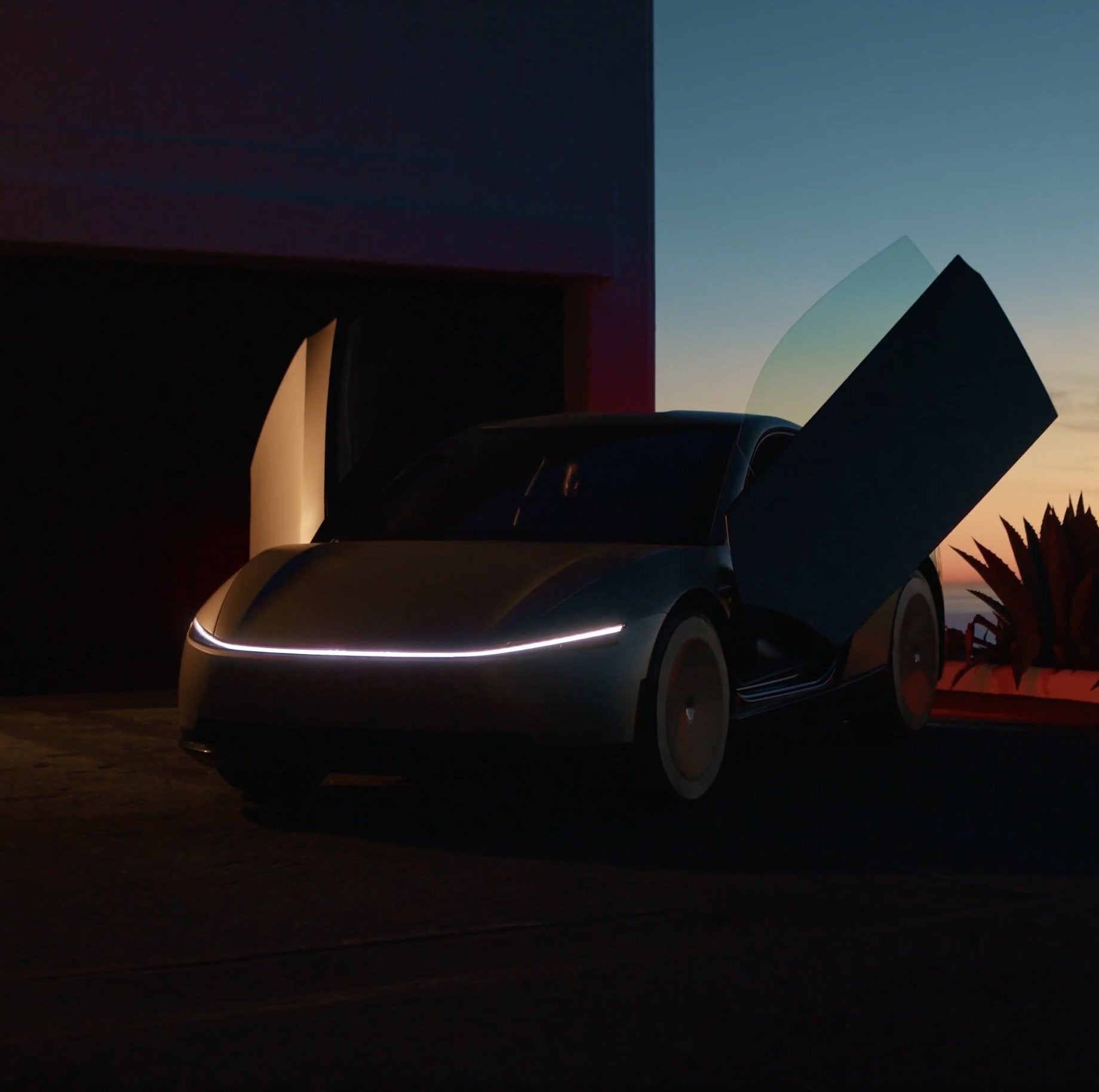
This change is especially relevant to vehicles like Tesla's Cybercab and Zoox's bidirectional robotaxi. Both challenge the familiar shape of a car. Zoox has long argued for a rider-first vehicle. Tesla's Cybercab points in the same direction: not a consumer car with autonomy added later, but a vehicle designed around autonomous operation.
Without regulatory flexibility, those designs can be slowed by rules written for another kind of vehicle. With flexibility, the burden shifts to proof. Companies still have to show that removing human controls does not remove accountability.
What Comes Next
The pedal issue is only one piece of the transition. Regulators still need rules for crash reporting, software updates, remote supervision, operating domains, accessibility, emergency responders, and consumer transparency.
Even so, this is a useful step. It makes room for vehicles that are not simply cars with better driver assistance, but mobility products with their own design logic.
That does not mean robotaxis will scale quickly. It does make the path more realistic. New technology does not need the rulebook to disappear. It needs rules that match what is being tested.
If this approach continues, the companies that matter most will not be the first to remove pedals. They will be the ones that can explain, measure, and defend the safety system replacing them.
Share:
Tesla Becomes a Summer Hero for Dogs When the Home AC Fails
Tesla FSD Approval Faced an 18-Month Reality Check