
What the latest Giga Texas post shows
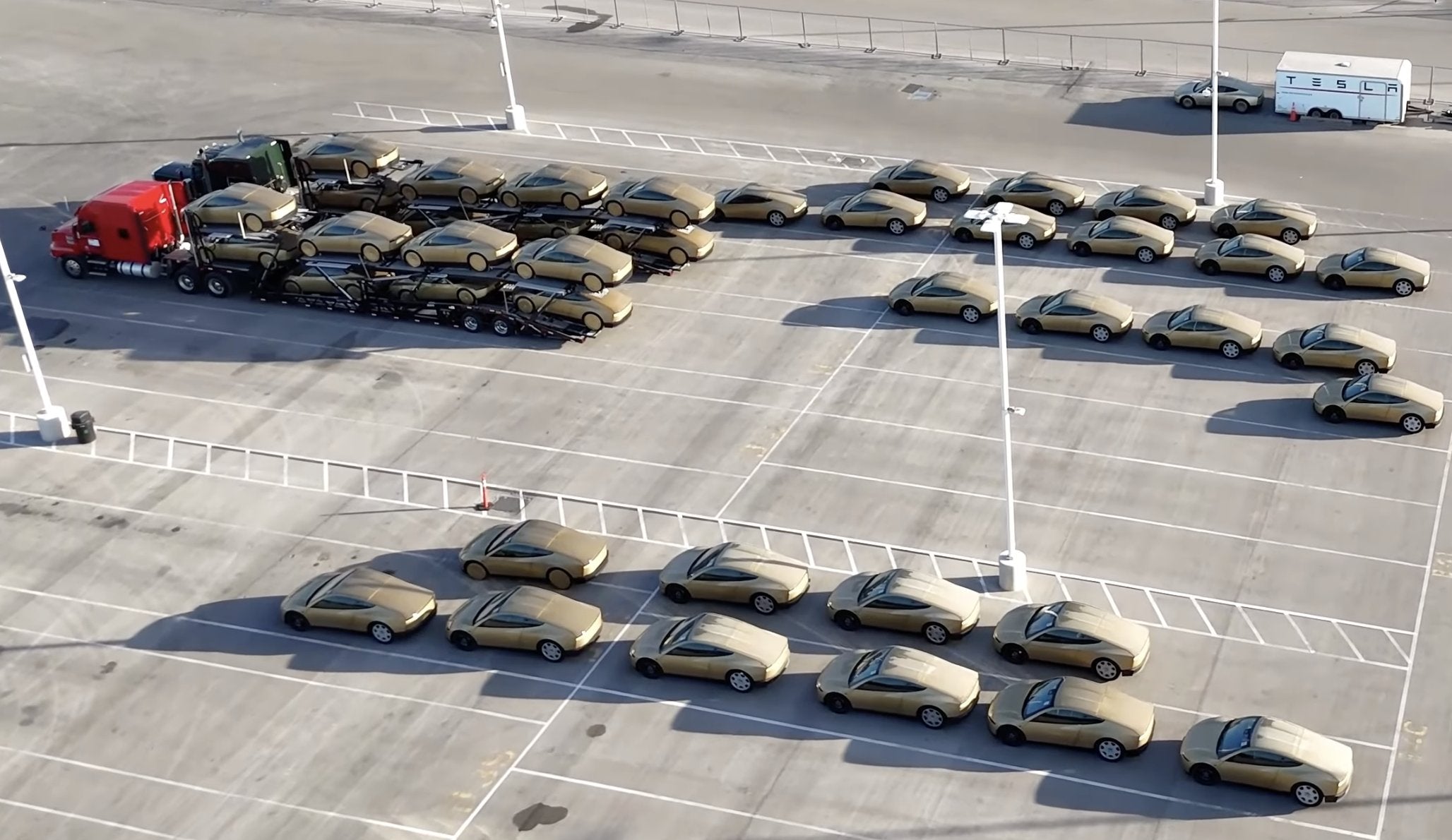
Tesla watchers are again focused on Giga Texas after Sawyer Merritt posted that production output at the factory "looks to be very high," especially for Model Y. He also noted that more than 50 additional Cybercabs appeared to be shipping out. The post referenced drone video from Airwave Dynamics and included images from the site.
The wording matters. This is not an official Tesla production report, and outside drone footage cannot confirm final daily output. It can, however, show visible vehicle flow, outbound-lot activity, shipping patterns, and the mix of products moving through the factory campus.
On July 9, the visible signal was straightforward: Model Y volume looked busy, and Cybercab activity kept going.
Model Y remains the factory workhorse
Giga Texas is central to Tesla's U.S. Model Y supply. The Model Y remains Tesla's most important mass-market product because it combines volume, margins, family utility, and global demand in one platform.
That is why high Model Y output matters more than a single eye-catching image. Tesla's future story may be about robotaxis, AI, and robotics, but its current business still depends heavily on selling vehicles. Every strong outbound wave of Model Ys helps support near-term revenue while Tesla works on riskier programs.
The factory has to balance both jobs. It needs to keep building the vehicle that pays the bills while making room for Cybercab validation, production learning, and future process changes.
Cybercab shipments add a second story
The Cybercab note is the more forward-looking part of the post. If more than 50 additional Cybercabs are being shipped, Tesla may be moving beyond isolated prototypes and into broader testing, distribution, or staging.
Cybercab is not a normal car launch. It is tied to Tesla's robotaxi strategy, autonomy software, regulatory approvals, fleet operations, and purpose-built manufacturing. Shipping units out of Giga Texas could support validation fleets, public-road testing, service-area preparation, or internal engineering work.
The point is not to overread one drone update. A shipment does not prove commercial readiness. It does show that Tesla is moving more Cybercab hardware, and hardware movement is one of the clearest signs that a program is leaving the presentation stage.
Why drone updates matter
Drone updates have become a strange but useful part of Tesla coverage. They are imperfect, but they catch things official releases rarely show: lots filling, trailers leaving, buildings changing, test vehicles cycling, and small operational changes around the factory.
For Giga Texas, that outside view is especially useful because the site is no longer just a car plant. It is tied to Model Y, Cybertruck, Cybercab, Optimus-related work, battery activity, and Tesla's wider AI manufacturing plans.
The best way to read these updates is as directional evidence. They are not production counts. They are visual signals.
The signal to watch next
The next question is whether Cybercab shipments become routine. One large movement is interesting. Repeated movements would suggest a bigger operating rhythm.
For Model Y, the question is whether visible output stays high through the quarter. For Cybercab, the question is where the units go, how often they appear on roads, and whether Tesla starts tying them to specific robotaxi market expansion.
Giga Texas is now working on two timelines at once: the current Tesla business built around Model Y, and the next Tesla bet built around autonomy. This latest update suggests both are moving through the factory at the same time.
Share:
LG Expands Tesla Battery Production as Cell Demand Stays High
Tesla Vehicle Rental Program Expands to Four More States