
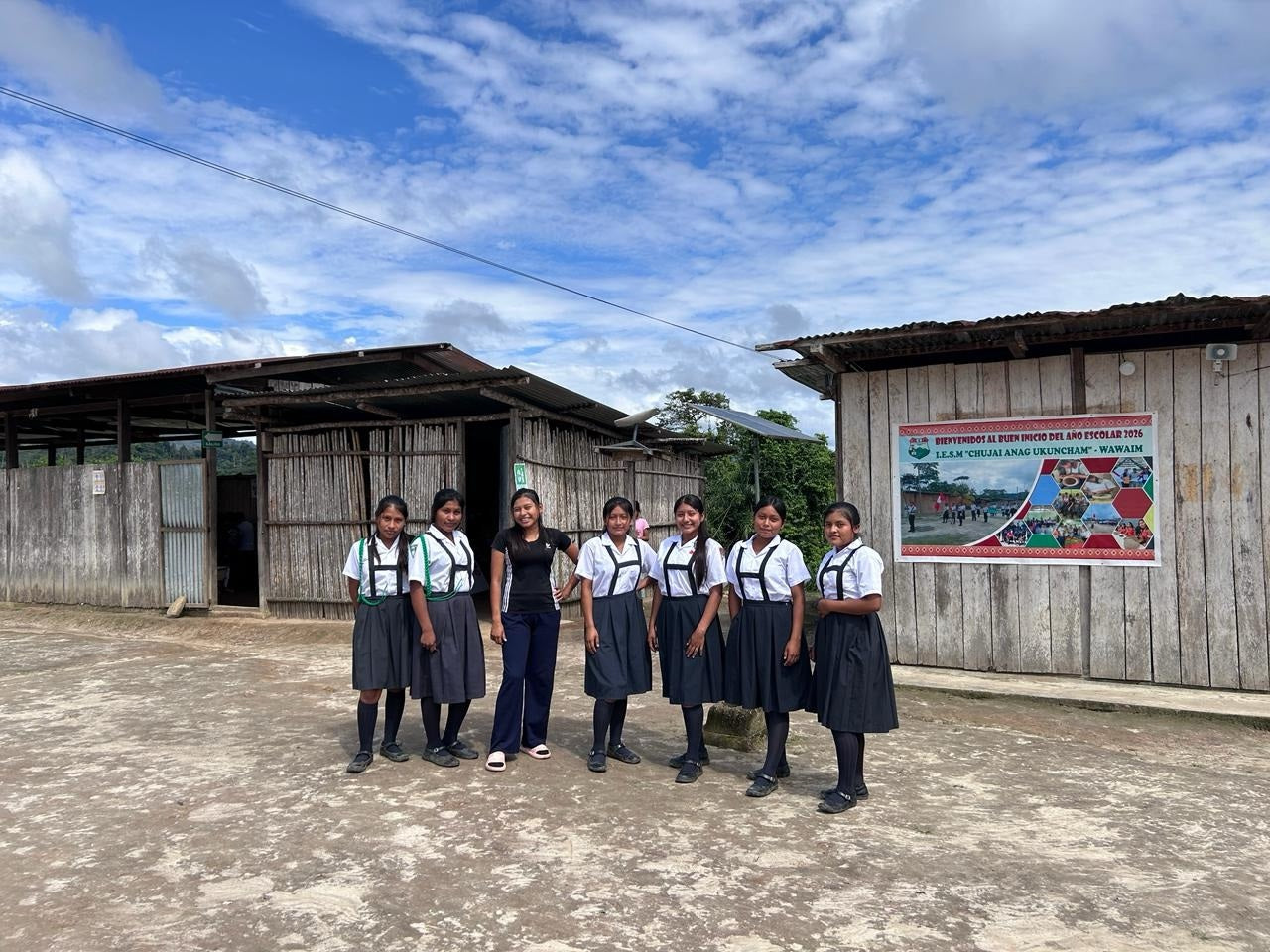
A Satellite Network Becomes School Infrastructure
Starlink says it is working with Enseña Perú and BCP to provide reliable internet access to more than 30,000 students across 160 schools in underserved parts of Peru.
The numbers are significant, but the deeper story is what satellite broadband becomes when it enters a classroom.
For a household, internet access enables communication, entertainment, work, and services. For a school, it can become shared infrastructure. One connection may support teachers, students, administrators, digital learning platforms, training, educational videos, research, and communication with regional authorities.
In places where connectivity has been unreliable or unavailable, access can change what a school is capable of offering.
It does not erase every educational disadvantage. It removes one important barrier.
Why Remote Schools Are Hard to Connect
Traditional broadband networks work best where many paying customers live close together. Dense cities justify fiber, cable, towers, and maintenance teams. Remote communities present the opposite economics.
Schools may be separated by mountains, forests, deserts, or long distances. Extending fiber can be slow and expensive. Mobile coverage may be weak or overloaded. Infrastructure may be vulnerable to weather, difficult terrain, or limited electrical service.
Peru’s geography makes these challenges especially visible. The country includes dense coastal cities, Andean communities, and remote Amazon regions. A national connectivity strategy cannot depend on one technology working equally well everywhere.
Satellite broadband changes the deployment equation because the local installation does not require a physical cable reaching back to the nearest town. A terminal needs power and a clear view of the sky, while the larger network operates through satellites and ground infrastructure.
That can make it useful for locations conventional providers struggle to reach.
Internet Access Does Not Automatically Create Learning
Connecting a school is not the same as improving education.
Students also need devices. Teachers need training and useful digital materials. Schools need technical support when equipment fails. Administrators need policies for security, privacy, and appropriate use. Connectivity costs must remain funded after the initial project.
Without those pieces, a fast connection can become an underused installation.
This is the important distinction between access and adoption. Access means the network is available. Adoption means teachers and students can integrate it into daily learning.
The strongest programs treat connectivity as part of a larger educational system. They identify what teachers need, choose relevant content, maintain equipment, and measure whether students gain opportunities that were previously unavailable.
Partners such as Enseña Perú can matter because educational organizations understand classroom needs in a way a connectivity provider may not. Financial and institutional partners can help with funding, coordination, and long-term support.
Starlink supplies the link. The local ecosystem determines its educational value.
Satellite Broadband Can Accelerate Deployment
The project also demonstrates how SpaceX’s launch capability and Starlink’s social impact are connected.
SpaceX continues launching batches of Starlink satellites, including a recent mission carrying 24 spacecraft from California. Those missions add capacity, replace satellites, and expand the network that makes projects such as the Peruvian school rollout possible.
This is vertical integration expressed as public infrastructure. SpaceX builds and launches the satellites. Starlink operates the network. Local partners bring it into communities.
The model can move faster than waiting for terrestrial infrastructure in every remote location. It is particularly useful as a bridge where fiber may eventually arrive but students need access now.
Satellite broadband is not always the cheapest or best permanent solution. Capacity is shared, equipment requires maintenance, and service affordability matters. But speed of deployment has real value when the alternative is years without reliable connectivity.
The Real Measure Is What Happens After Installation
The success of the Peru project should not be measured only by terminals installed or schools connected.
Better measures would include connection uptime, teacher usage, student access, digital-skills development, attendance, completion of online coursework, and whether schools can maintain service over time. Researchers should also examine who gets access during limited hours and whether younger students, girls, Indigenous communities, and students with disabilities benefit equally.
Connectivity can widen opportunity, but it can also reproduce inequality if only some students have devices or digital support.
The project’s scale creates an opportunity to learn. With 160 schools, partners can compare different regions, teaching models, and support systems. They can identify which practices turn bandwidth into educational outcomes.
Starlink’s role is important because reliable access is foundational. But the most meaningful result will not be a speed test. It will be a student reaching a resource, course, teacher, or future option that geography previously placed out of reach.
The satellite connection begins the lesson. The work after connection determines whether it changes a life.
Share:
Why Electric Cars Dominate at 14,000 Feet
FSD’s Real Breakthrough Is Staying Useful for 500 Miles