
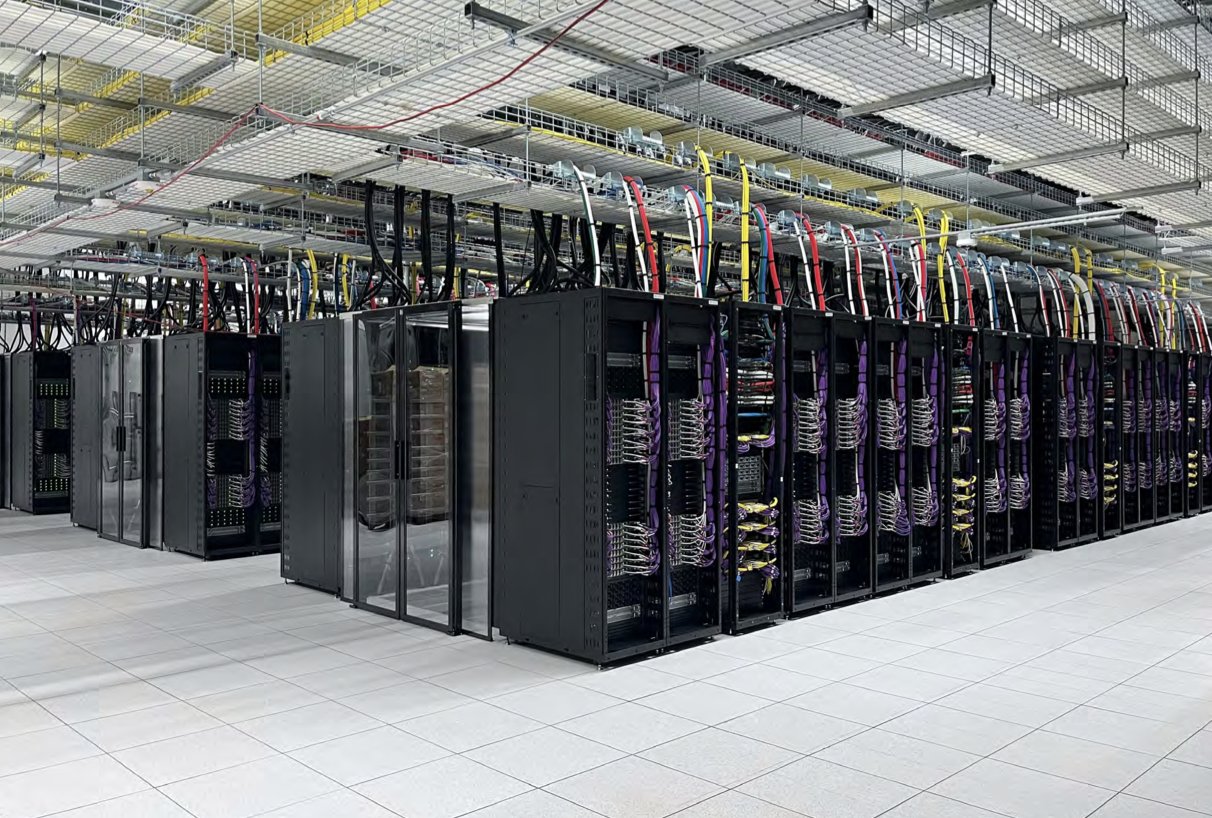
AUSTIN, Texas - Tesla says it plans to install a heat-recovery system at the Giga Texas data center and send thermal energy that would otherwise be discarded to manufacturing operations on the same campus.
Tesla described the project in its latest Impact Report. The company says recovered heat will supply warm process water to coating and paint shops and reduce demand on the chiller-water system.
The system is still planned, not confirmed as operational. Tesla did not provide a completion date, cost, expected energy savings or heat-recovery capacity.
Why data-center heat can be reused
AI computing equipment consumes electricity and releases much of it as heat. Cooling systems move that heat away from servers so processors can remain within safe operating temperatures.
Most facilities release the thermal energy outdoors through chillers or cooling towers. Heat recovery instead transfers it to another water loop at a temperature useful for nearby buildings or industrial processes.
Giga Texas is well suited to the arrangement because the data center and vehicle factory occupy the same campus. The factory needs heated water while the computing equipment constantly produces heat. Connecting the two can reduce the electricity or fuel used for process heating.
How the project relates to Cybercab
Cybercab production and testing are based at Giga Texas, while Tesla's computing systems support autonomous-driving development. The heat-recovery project would also make that computing infrastructure part of the factory's utility system.
Tesla did not say the recovered heat would be reserved for Cybercab. The paint and coating facilities may serve several vehicle programs. The connection is at campus level, where vehicle production and AI computing share infrastructure.
The approach also complements Tesla's new reaction injection molding process for selected Cybercab components. That process introduces color during molding and can bypass traditional painting for those parts, but it does not mean every vehicle component or every Tesla model avoids the paint shop.
Chiller changes target cold-weather efficiency
Tesla also said it has improved chiller efficiency. During colder and drier months, the company lowers condenser-water temperature while maintaining cooling performance.
Chillers work harder when they must reject heat against warmer outdoor conditions. Taking advantage of cooler weather can reduce compressor energy use. The actual benefit varies with server load, weather, water-system design and control settings.
Tesla presents these changes as a way to reduce some of the near-term impact of data-center operation. The claim will be easier to judge after the company publishes measured energy and water results from the finished system.
A practical factory efficiency project
Factories have reused waste heat for years, but placing a large AI cluster next to vehicle production creates a direct opportunity. Heat removed from servers can become an input for a nearby manufacturing process.
The project may lower operating costs and reduce chiller demand, but it will not erase the data center's large electricity load. Heat recovery also depends on whether the temperature and timing match the factory's needs.
For Cybercab, any benefit is indirect. Reusing server heat will not affect autonomous driving, but lower factory energy use could reduce the cost and resources involved in building a large Robotaxi fleet.
Share:
SpaceX Asks FCC to Approve a Gen3 Starlink System With Up to 100,000 Satellites
SpaceX Asks FCC to Approve a Gen3 Starlink System With Up to 100,000 Satellites