
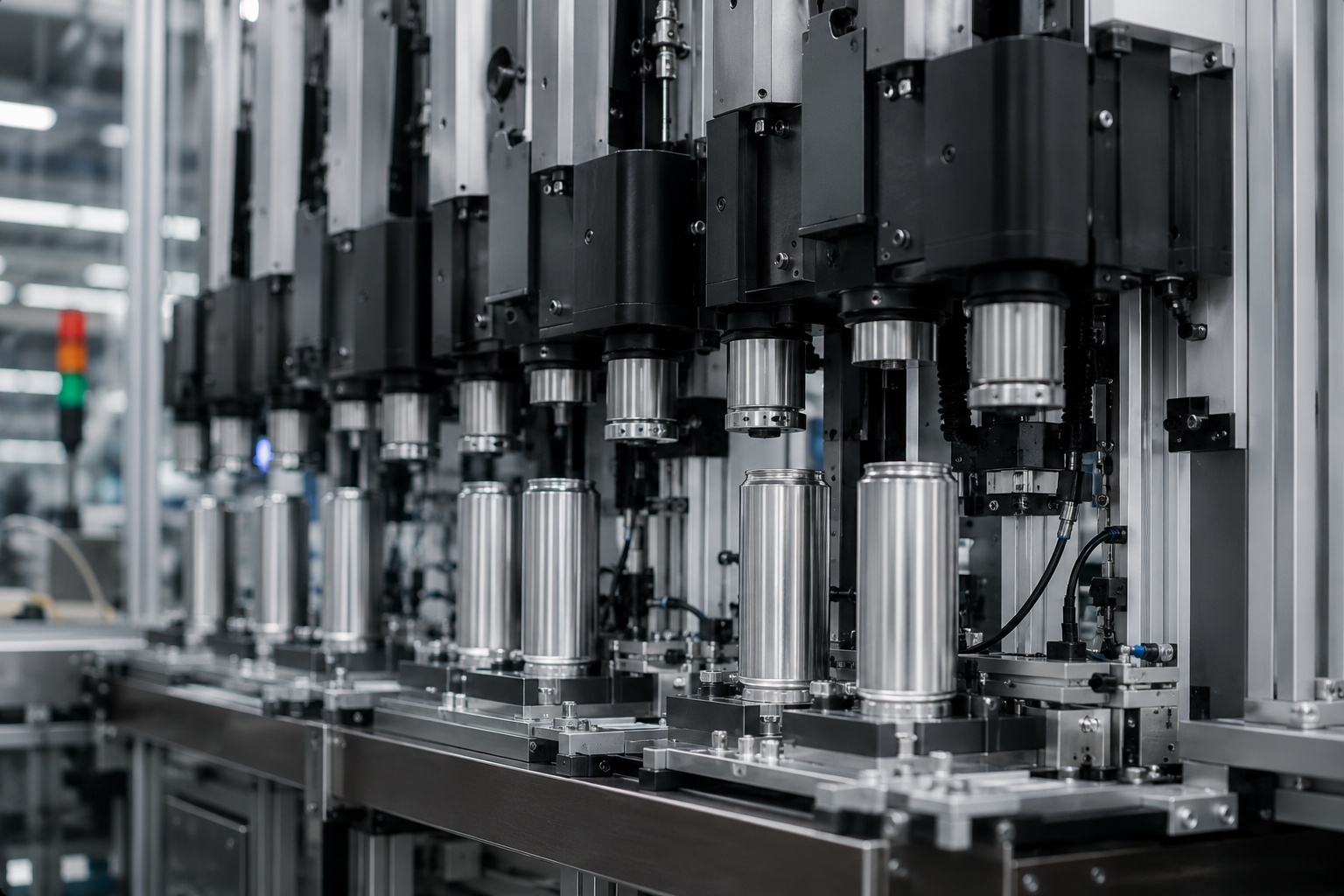
GRUENHEIDE, Germany - Tesla is offering startups a chance to compete for a paid pilot inside Gigafactory Berlin-Brandenburg through a new Battery Cell Giga Challenge organized with JUNI.
Giga Berlin plant manager Andre Thierig announced the program Monday. He said Tesla is preparing for 18 GWh of battery-cell production and wants outside companies to test alternatives to its current manufacturing methods.
Applications close July 24, 2026. Tesla is looking for startups working on materials, production processes, manufacturing equipment, automation or artificial intelligence.
JUNI links applicants with Tesla's factory team
JUNI is a Berlin-Brandenburg startup organization that works with science and deep-technology companies. It connects founders with research institutions, investors and industrial partners as they move technology toward commercial use.
This is more than a conventional pitch competition. Tesla is setting the industrial problem and judging whether an applicant's technology can work in a high-volume plant. JUNI runs the application process and connects selected companies with Tesla's cell-manufacturing team.
The challenge builds on an existing relationship. JUNI also lists Tesla programs for recruiting talent, improving logistics and supply chains, and working with founders around the Gruenheide factory.
Applicants need more than an idea
Tesla expects applicants to bring technical evidence, such as a working prototype, test data or results from an earlier pilot. A presentation alone will not be enough.
The strongest teams will enter technical discussions with Tesla's battery specialists and may later pitch to company stakeholders. The winner will receive a paid pilot with the Giga Berlin 4680 team, where the technology can be tested under production conditions.
Possible projects include cell materials, quality-control systems, production machinery, automated handling or AI tools that detect defects. Tesla has not promised the winner an investment, a supply contract or use across the factory. Any larger deal will depend on the pilot results.
Tesla is trying to speed up industrial testing
The competition comes as Tesla expands its battery plans in Germany. Thierig said in May that the company would invest $250 million to increase planned annual 4680 output at Giga Berlin from 8 GWh to 18 GWh and add more than 1,500 jobs.
Reaching 18 GWh requires more than additional factory space. Tesla must keep materials consistent, machines running and scrap rates under control while producing millions of cells. Even a small change in cycle time or yield can affect costs at that scale.
The 4680 is a cylindrical cell measuring 46 millimeters in diameter and 80 millimeters high. Tesla has promoted it as a way to lower battery costs and simplify vehicle production, but scaling the manufacturing process has proved difficult.
Why Tesla is asking outside companies for help
Startup technology often works in a laboratory but struggles on a production line. The challenge gives selected companies a shorter path from technical review to a paid factory test.
Tesla gains access to specialized ideas without developing each one internally. Startups get something equally hard to find: operating data from a battery factory and evidence that their technology can survive industrial conditions.
The program may also bring more battery expertise into the Berlin-Brandenburg region. Local and international startups could gain a major manufacturing customer while Tesla works to produce more cells in Europe.
The useful results will come after the pitches. The questions are how many projects reach a paid trial, whether they improve cost or output, and whether any become part of Giga Berlin's planned 18 GWh operation.
Share:
Hundreds of Tesla Model Y L Vehicles Reach Japan After Record June Registrations
Rivian Plans 75 Million-Share Offering to Raise Cash and Meet DOE Funding Commitments