
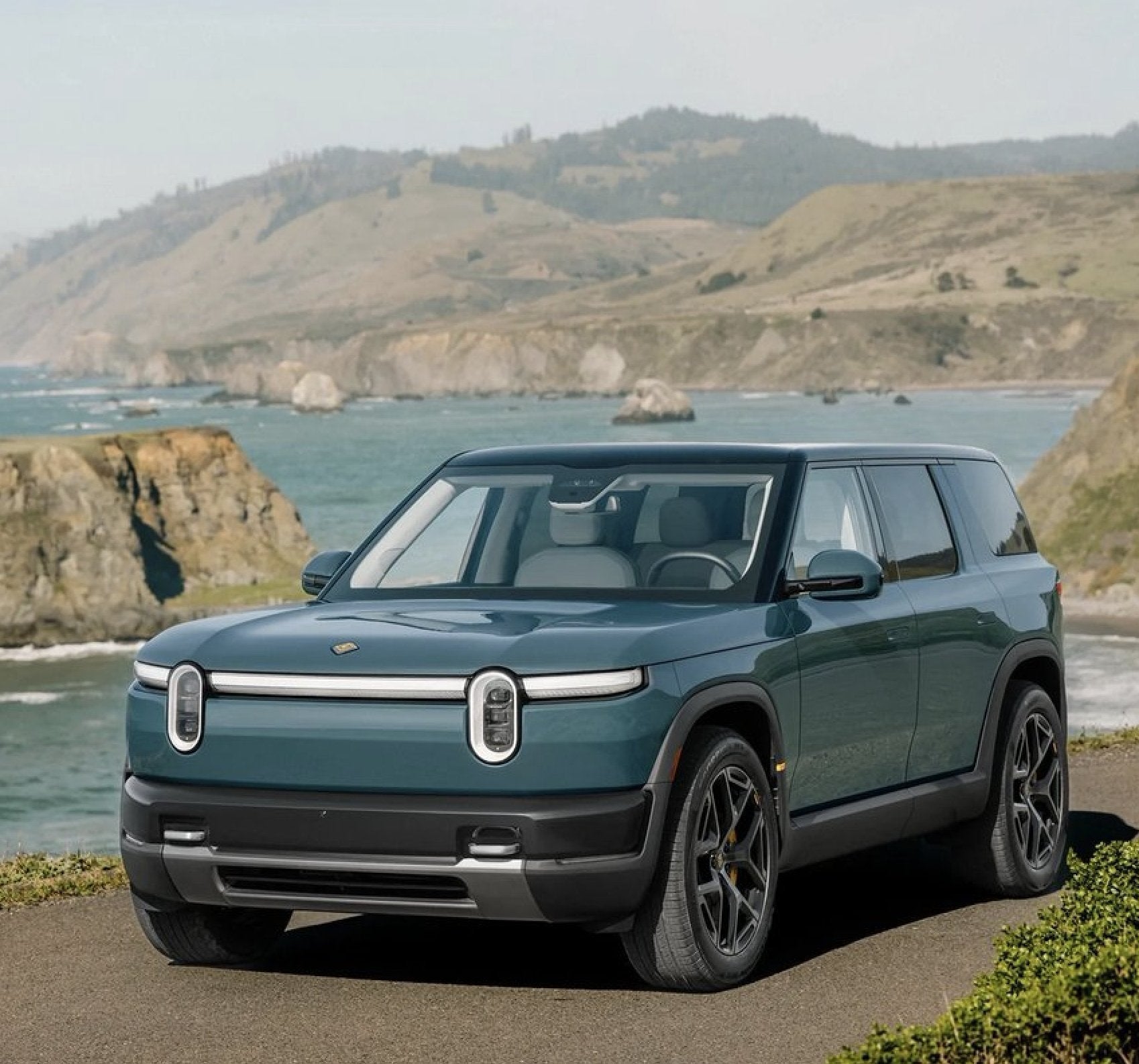
IRVINE, California - Rivian Automotive said Monday that it had begun an underwritten public offering of 75 million common shares. The sale will increase the number of shares outstanding and dilute current investors.
Underwriters will receive a 30-day option to buy up to 11.25 million additional shares at the offering price, less discounts and commissions. If they exercise the option in full, Rivian will issue 86.25 million shares.
Rivian, rather than existing shareholders, is selling all of the shares. The company said the deal depends on market conditions and has not guaranteed its completion, timing, size or price.
Rivian has not set the final proceeds
Based on Rivian's Monday closing price of about $20.14, the 75 million shares would be worth roughly $1.51 billion. Including the full underwriter option would raise the market value to about $1.74 billion at the same price.
Those figures are only reference estimates. Rivian will set the offering price after assessing investor demand, and new shares are often sold below the latest market price. Discounts, commissions and other expenses will also reduce the cash the company receives.
Early market estimates put dilution from the base offering at about 5%. The full 86.25 million shares could raise that figure to roughly 6%, though the final percentage will depend on the number of shares sold and Rivian's outstanding share count at closing.
Rivian shares dropped about 8% in extended trading after the announcement, Reuters reported. Investors often react negatively to equity offerings because each existing share represents a smaller ownership stake after new stock is issued.
Part of the cash is tied to DOE loan terms
Rivian said it plans to use the net proceeds for general corporate purposes, a category that can include operations, capital spending and other business costs.
The company also named a more specific use: equity contributions required under its amended loan and sponsor-support agreement with the Department of Energy. That financing supports Rivian's planned EV factory in Georgia.
Rivian revised the federal financing package earlier this year and now expects to borrow about $4.5 billion for the Georgia project, down from the original $6.57 billion. The updated plan raises the plant's intended initial annual capacity from 200,000 to 300,000 vehicles and supports production of Rivian's midsize platform.
The stock sale does not replace the DOE loan. It gives Rivian cash for the company-funded portion of the project while helping it preserve liquidity during the factory expansion.
Six banks are managing the sale
Goldman Sachs, Allen & Company, Barclays, JPMorgan, Morgan Stanley and Wells Fargo are joint book-running managers. Rivian is conducting the sale under a shelf registration statement filed with the Securities and Exchange Commission on April 30.
The company has filed a preliminary prospectus supplement for the 75 million Class A shares. It is expected to publish the final terms in an updated prospectus after pricing the offering.
Rivian announced the capital raise alongside a stronger preliminary revenue forecast. It expects second-quarter revenue of $1.55 billion to $1.65 billion, above the analyst average of about $1.45 billion cited by Reuters, mainly because vehicle deliveries were higher.
Investors now have two issues to weigh: the extra cash and the dilution that comes with it. The final offering price will show how much Rivian raises. The longer-term result depends on whether spending in Georgia leads to more production and better financial performance.
Share:
Hundreds of Tesla Model Y L Vehicles Reach Japan After Record June Registrations
Tesla Invites Industrial Startups to Test Battery Cell Technology at Giga Berlin