
Tesla News
- by EV-operations
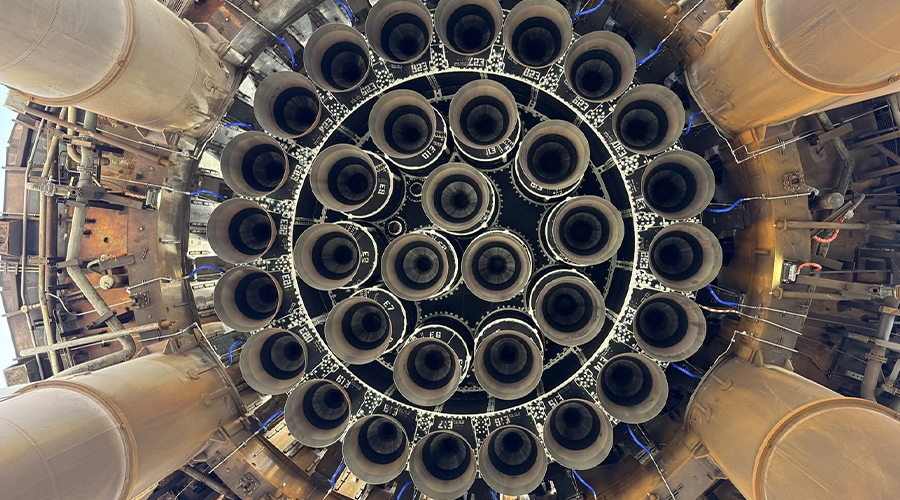
Elon Musk Says Self-Sustaining Mars Settlement Could Be Realized Within 25-30 Years
During his appearance at the All-In Summit, Elon Musk expressed confidence that a human colony on Mars capable of sustaining itself might be feasible in roughly twenty-five to thirty years, assuming major increases in launch capacity in the near term.
- by EV-operations
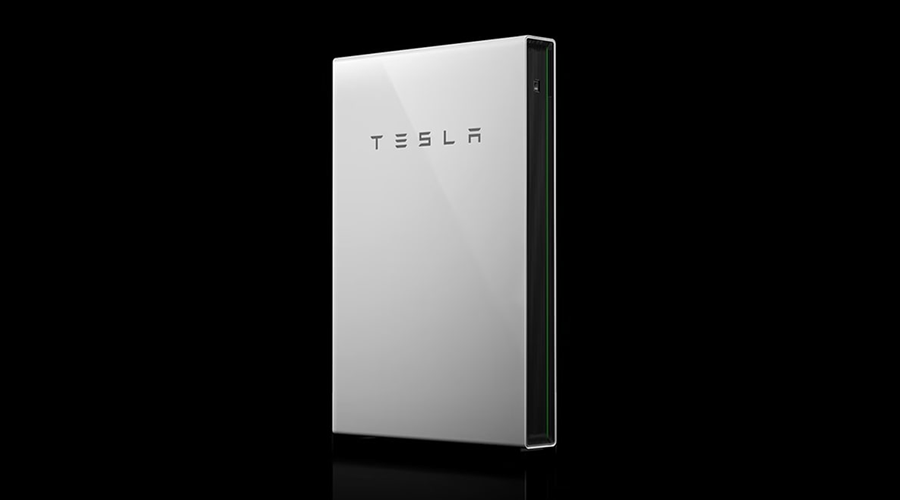
Tesla Recalls Powerwall 2 Units in Australia Over Fire Risk
In September 2025, Tesla has initiated a recall of certain Powerwall 2 home battery systems in Australia after reports of overheating and small fires tied to the lithium-ion cells used in the units. The notice was posted by the Australian Competition and Consumer Commission (ACCC), which oversees consumer product safety.

- by EV-operations
Tesla Cybertruck HEPA Cabin Air Filter Replacement Guide: Keep Your Air Clean and Fresh
Maintaining clean air inside your Tesla Cybertruck is easier than you think. Your cabin air filter plays a crucial role in keeping dust, pollen, and pollutants out while ensuring a fresh driving experience. This guide will walk you through everything you need to know about replacing your HEPA cabin air filter with activated carbon, helping you breathe easier on every drive.
- by EV-operations
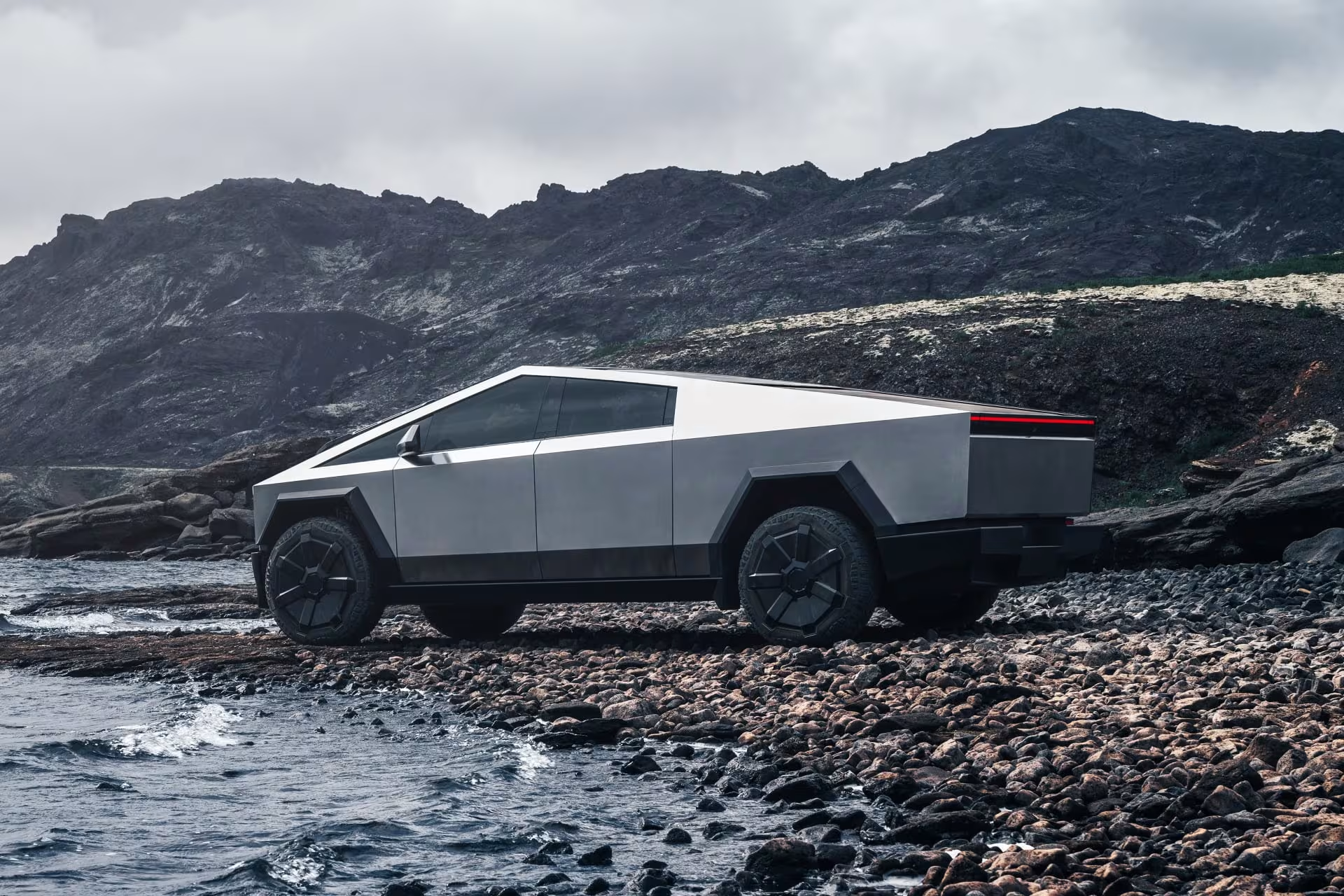
Tesla Pulls Plug on “Long Range RWD” Cybertruck Trim
- by EV-operations
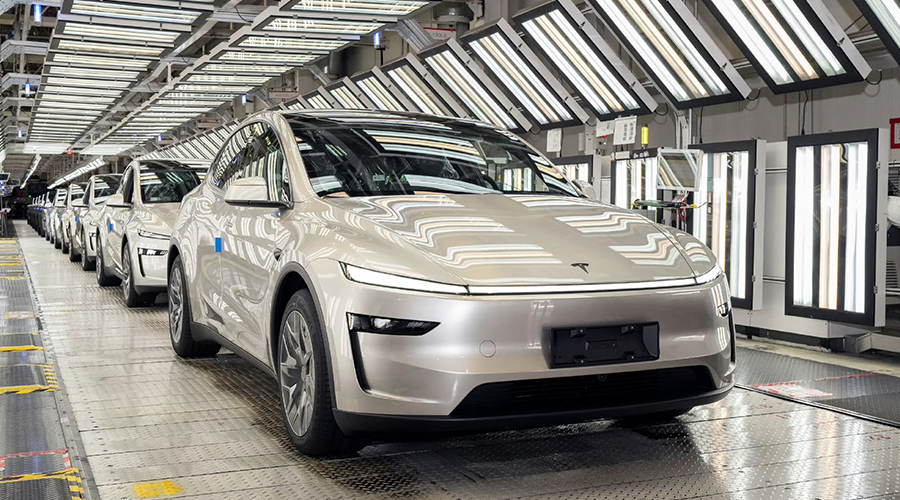
Tesla’s New Six-Seater Model Y L Sold Out in China Through October
Tesla’s newly launched six-seater Model Y L has seen overwhelming demand in China, with all orders now sold out. The earliest estimated delivery date is set for November 2025.
- by EV-operations
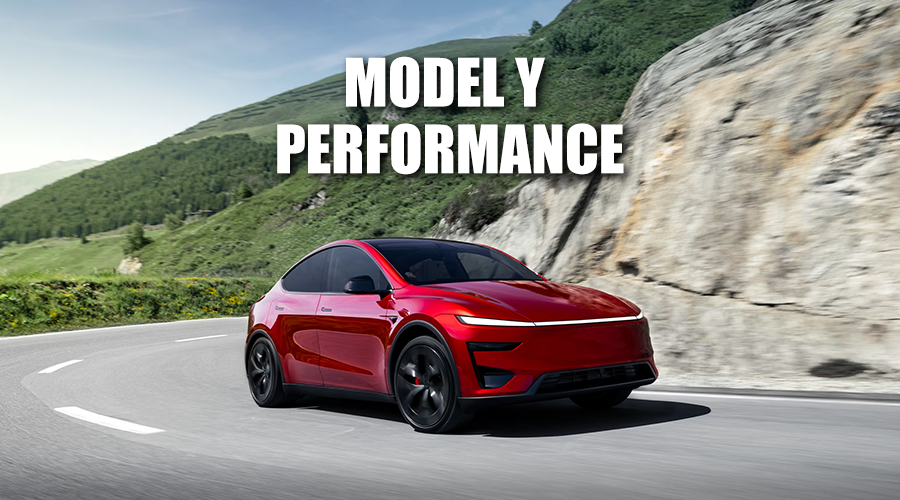
Tesla Launches Model Y Performance, available now in Europe
Tesla has officially launched the Model Y Performance in Europe, with deliveries expected to begin in September. Produced at Tesla’s Gigafactory Berlin, this high-performance electric SUV is now available for pre-order in countries including Germany, the Netherlands, and the United Kingdom.
- by EV-operations
Why the Tesla Cybertruck Model is the Perfect Gift for EV Fans and Collectors
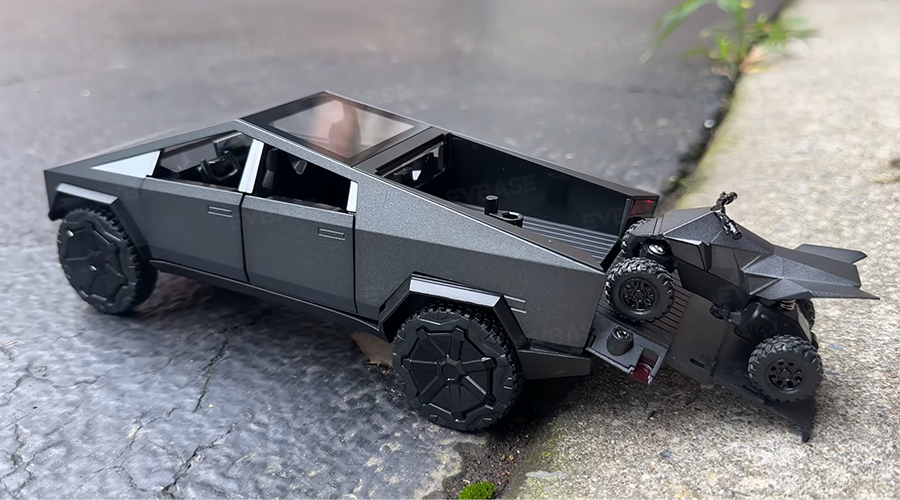
Whether you’re a Tesla enthusiast, a collector, or shopping for a gift, the Tesla Cybertruck Top Toys Car Model from EVBASE is an exciting choice. In this guide, we break down why this Cybertruck 1:24 scale model is worth your attention, from unboxing to long-term enjoyment.
- by EV-operations
Must-Have Front Bumper Lip for Ford Mustang Mach-E Owners
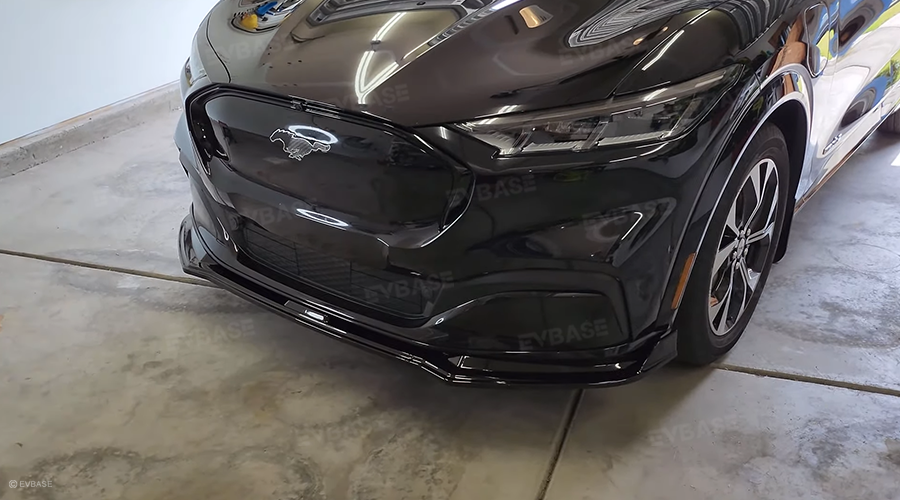
Owning a Mustang Mach-E means you’ve already stepped into the future of performance driving. Still, every car enthusiast knows there’s always room for a little more.
Ford gave the Mustang Mach-E the heart of an icon, but you can make it look and feel even sharper. Adding a front bumper lip diffuser not only transforms the style, it also helps with stability, airflow, and everyday driving confidence. A front lip spoiler brings that aggressive, track-inspired look while adding real aerodynamic benefits.
- by EV-operations
Hands-On Tesla Hack: Physical Center Console Button for Quick Controls
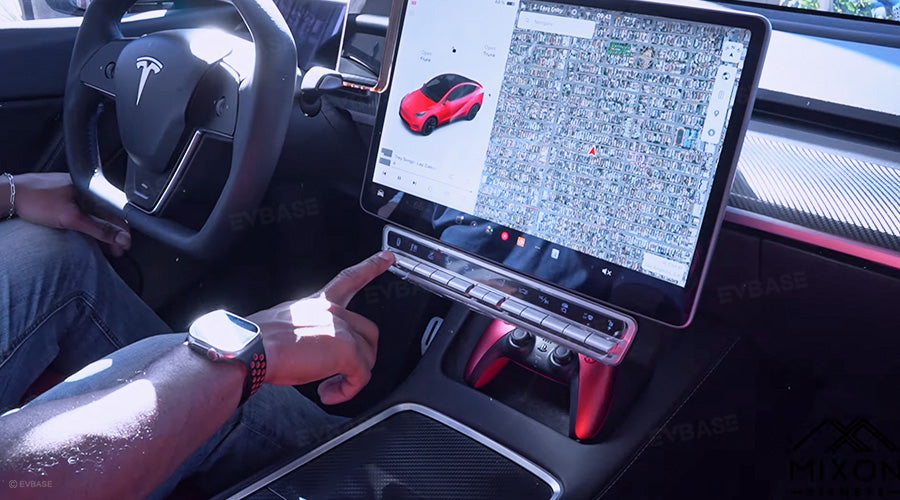
Tesla’s touchscreen interface is impressive, but sometimes it can feel a bit too… digital. Swiping, scrolling, and hunting through menus while driving isn’t exactly the safest or most convenient experience. That’s where our Center Console Physical Control Button for Tesla Model 3, Model Y, and Highland comes in. It’s designed to bring back the simplicity of real buttons, giving you control at your fingertips without ever taking your eyes off the road.